
Top Studio Headphones for Mixing

When it comes to mixing music, having the right headphones can make all the difference. I’ve spent countless hours experimenting with different pairs, and I know how important it is to find headphones that deliver clear, accurate sound. Whether you’re working on your latest track or just learning the ropes, the right studio headphones will help you hear every detail and make better decisions in your mix.
Let’s explore some of the best options available, what to look for, and how to choose headphones that suit your needs perfectly.
Why Choosing the Right Studio Headphones Matters
Mixing music is all about balance and precision. You want to hear every instrument, every vocal nuance, and every subtle effect clearly. This is why studio headphones are different from regular headphones. They are designed to provide a flat, neutral sound that doesn’t exaggerate bass or treble.
When you use the right studio headphones, you can trust what you’re hearing. This means your mixes will translate well across different speakers and environments. It’s like having a reliable partner who helps you make the best creative choices.
Some key features to look for in studio headphones include:
Flat frequency response: So you hear the music as it truly is.
Comfort: Mixing sessions can last hours, so comfort is essential.
Durability: You want headphones that can handle regular use.
Closed-back or open-back design: Closed-back headphones isolate sound, while open-back headphones offer a more natural soundstage.
Understanding these features will help you pick the right pair for your mixing needs.
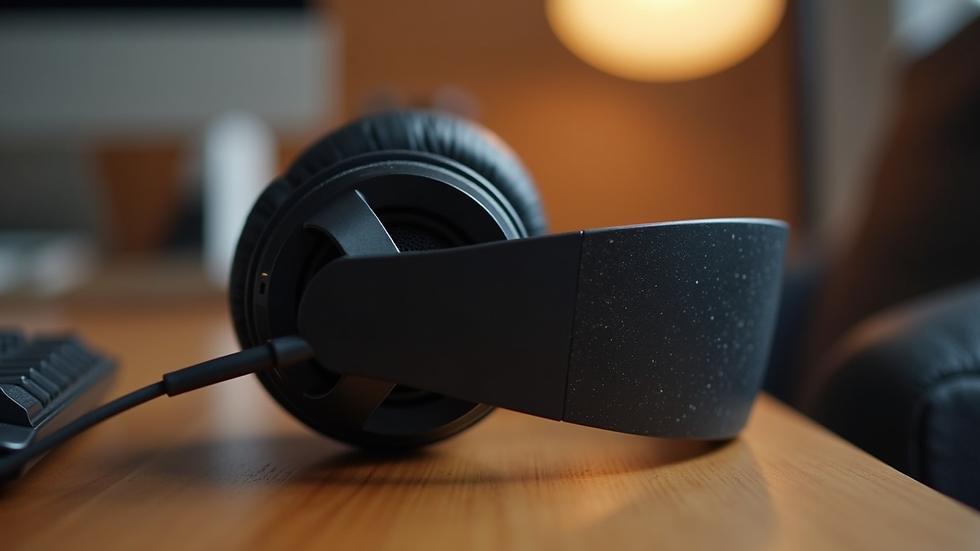
How to Choose Studio Headphones for Mixing
Choosing studio headphones can feel overwhelming with so many options out there. Here’s a simple guide to help you make a confident choice:
Consider your mixing environment
If you work in a noisy space, closed-back headphones might be better because they block outside noise. If you’re in a quiet room, open-back headphones can give you a more natural sound.
Look for a flat sound profile
Avoid headphones that boost bass or treble. You want to hear the mix as it really is, without any color added.
Try them on for comfort
Look for padded ear cups and adjustable headbands. Mixing can take time, and you don’t want discomfort to distract you.
Check the build quality
Studio headphones should be sturdy enough to last through daily use. Detachable cables and replaceable ear pads are a plus.
Read reviews and listen if possible
Hearing headphones in person or reading trusted reviews can give you a better idea of their sound and comfort.
By keeping these points in mind, you’ll find headphones that support your creative process and help you craft better mixes.
What are the best flattest headphones for mixing music?
When it comes to mixing, flat frequency response is key. Flat headphones don’t emphasize any part of the sound spectrum, which means you get a true representation of your mix. This helps you make accurate adjustments to levels, EQ, and effects.
Some of the flattest headphones I’ve come across include models that professionals often recommend for mixing. These headphones reveal every detail without coloring the sound, making them ideal for critical listening.
Here’s what to look for in flattest headphones:
Accurate midrange: Vocals and instruments should sound natural.
Clear highs: You want to hear cymbals and high-frequency details without harshness.
Controlled bass: Bass should be tight and precise, not boomy.
While I won’t name specific brands here, focusing on these qualities will guide you to headphones that serve your mixing needs well.

Tips for Using Studio Headphones Effectively
Even the best headphones won’t do all the work for you. Here are some tips to get the most out of your studio headphones when mixing:
Take breaks: Your ears can get tired, so step away every hour to reset your hearing.
Use reference tracks: Compare your mix to professional songs you admire to keep your ears calibrated.
Mix at moderate volume: Listening too loud can cause ear fatigue and distort your perception.
Check your mix on multiple devices: Headphones are great, but also listen on speakers and car stereos to ensure your mix translates well.
Keep your headphones clean: Regularly wipe ear pads and cables to maintain sound quality and hygiene.
By following these simple habits, you’ll improve your mixing skills and protect your hearing.
Final Thoughts on Finding Your Perfect Studio Headphones
Finding the right studio headphones is a personal journey. What works for one person might not work for another, but the key is to focus on clarity, comfort, and accuracy. Remember, the goal is to hear your music as clearly and honestly as possible.
If you want to explore some of the best studio headphones for mixing available today, take your time to research and try different options. Your ears will thank you, and your mixes will sound better for it.
At Miles Productions, we’re passionate about supporting musicians and artists at every stage. Whether you’re mixing your first track or refining your sound, having the right tools makes all the difference. Keep experimenting, keep listening, and most importantly, keep creating.
Happy mixing!
Comments